Source Aviation Luggage Tow Tractor for Airport, Seaport, Logistics
Find 21 aviation luggage tow tractor models with towing capacities up to 50,000 kgs and Euro emission standards. Compare specifications for electric and diesel options to find the right vehicle for airport, seaport, and logistics operations; compare the available evidence and request quotations based on your requirements.
Key considerations
Products List




Comprehensive Sourcing Guide
Aviation Luggage Tow Tractor Sourcing Guide
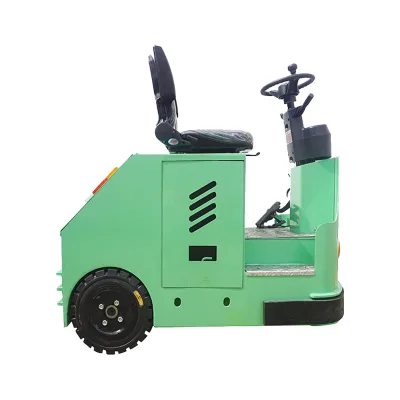
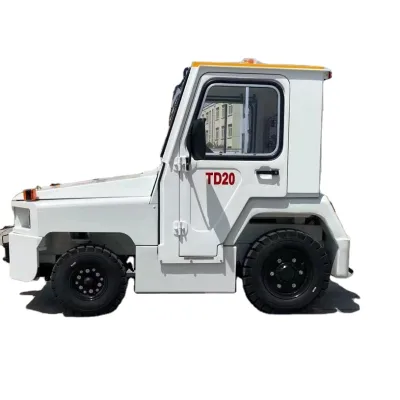
Procurement professionals must first distinguish between heavy-duty airport tugs and lighter baggage tractors, as the supplied data reveals distinct operational profiles. One observed model, the TDC series, indicates a diesel powertrain with a load capacity ranging from 31 to 50 tons, suitable for moving aircraft or heavy cargo containers. In contrast, the GW-AE08 model is an electric unit designed specifically for baggage handling, featuring a service weight of 3720 kg and a towing capacity between 40,000 and 50,000 kg.
Buyers should verify the specific power source and transmission type required for their facility's infrastructure before initiating contact. The available listings show a mix of diesel engines with automatic transmissions and electric units powered by AC motors, each offering different maintenance profiles and operational costs. Understanding whether the vehicle requires a 4x4 drive configuration or a standard setup is critical, as the observed wheelbase and turning radius vary significantly between the 1600 mm and 1750 mm models found in the market.
Product Scope and Observed Listing Signals
The market for aviation ground support equipment presents a wide variance in customization options and physical dimensions that directly impact fleet integration. Suppliers indicate that customization is available for color and specific packing requirements, ranging from standard export packaging to bare shipping or customized crates. This flexibility allows operators to match the vehicle's exterior to corporate branding or to optimize container loading efficiency during international transport from origins like Shanghai or general Chinese manufacturing hubs.
Operational environments dictate the necessary durability and design features, such as the tubeless tire design observed in several listings which reduces the risk of punctures in high-traffic apron areas. The observed models are explicitly designated for use in airports, train stations, logistics companies, and seaports, suggesting a versatile design that must withstand rigorous daily cycles. Buyers must confirm that the specific model's working time and regular service intervals align with their peak operational hours to ensure continuous availability during critical flight windows.
Technical Specifications to Verify
Engine capacity and emission standards are primary technical filters for buyers operating in regions with strict environmental regulations. The observed listings specify engine capacities between 4 and 6 liters and compliance with Euro emission standards, which is essential for maintaining airside air quality and adhering to local environmental laws. Procurement teams must verify that the specific unit's horsepower, ranging from 150 to 250 hp, provides sufficient torque for the intended load without compromising fuel efficiency or battery life in electric variants.
Dimensional constraints are equally critical when navigating narrow taxiways and tight terminal gates. The data highlights a minimum ground clearance of 100 to 150 mm and specific overhang measurements, such as a front overhang of 630 mm and a rear overhang of 770 mm, which affect maneuverability in confined spaces. Additionally, the turning radius of 3900 mm and overall length of 3020 mm for electric models must be cross-referenced against the facility's physical layout to prevent collisions with infrastructure or other ground support equipment.
Compliance and Safety Documentation
Safety certification and adherence to international aviation standards are non-negotiable for any ground support vehicle entering an airport environment. The observed products reference compliance with ISO standards, including ISO14000 for environmental management, alongside specific industry protocols like IATA and AHM. Buyers must request proof of these certifications to ensure the vehicle meets the rigorous safety and operational benchmarks required by airport authorities and insurance providers.
Documentation regarding the vehicle's structural integrity and operational limits must be thoroughly reviewed to mitigate liability risks. The listed tow bar pull capacities vary from 2000 kg to 3000 kg, and the maximum gradeability is noted at 30%, requiring verification that these figures match the actual load requirements of the operator. Ensuring that the cab location is fixed or adjustable as needed, and that the vehicle meets all relevant traffic category classifications for passenger transport, is essential for regulatory compliance.
Cost Drivers and Commercial Terms
Pricing for aviation tow tractors is influenced by the powertrain technology, with electric models often commanding different price points than their diesel counterparts. The observed price range spans from 4300 to 60,000 USD, reflecting the significant cost differences between basic baggage tractors and heavy-duty aircraft tugs. Buyers should analyze the total cost of ownership, considering that electric units may have higher upfront costs but lower long-term energy and maintenance expenses compared to diesel engines.
Commercial terms such as minimum order quantity and lead times are critical for supply chain planning, though specific values vary by supplier. The observed data indicates a minimum order quantity of one unit, allowing for flexible fleet expansion or single-unit replacements without bulk commitments. However, the lead time and shipping logistics from the origin country must be clarified, as the standard export packing and customized options can impact the duration and cost of international freight delivery.
Supplier Qualification and Quality Control
Verifying the supplier's origin and manufacturing capabilities is a fundamental step in ensuring product reliability and after-sales support. The listings identify China and specifically Shanghai as key production origins, suggesting a mature manufacturing ecosystem for this equipment. Buyers should assess the supplier's ability to provide consistent quality control, particularly regarding the standard export packing and the ability to customize the vehicle to specific operational needs without compromising structural integrity.
Quality assurance processes must extend beyond the initial purchase to include long-term support and parts availability. The presence of specific model numbers like TDC-20/25/30 and GW-AE08 indicates established product lines, but buyers must confirm the availability of spare parts and technical service in their region. Establishing a clear communication channel for troubleshooting and maintenance is vital, as the vehicle's condition is listed as new, implying that any defects must be addressed immediately under warranty terms.
Long-Term Procurement Checks
Sustainability and future-proofing are key considerations when selecting between diesel and electric propulsion systems for airport operations. The observed electric models utilize AC motors and are designed for regular working times, aligning with global trends toward decarbonization in aviation ground support. Procurement strategies should prioritize vehicles that offer the flexibility to adapt to evolving emission standards and energy infrastructure developments at the airport site.
Regular performance audits and maintenance scheduling are essential to maintain the vehicle's load capacity and towing efficiency over its lifespan. Buyers should implement a protocol to monitor the service weight, travel speed, and gradeability to ensure the vehicle continues to meet operational demands. Establishing a long-term relationship with the supplier for periodic inspections and updates will help mitigate downtime and ensure the fleet remains compliant with changing safety and environmental regulations.
FAQs
What is the towing capacity of the GW-AE08 aviation luggage tow tractor?
The GW-AE08 aviation luggage tow tractor has a towing capacity ranging from 40,000 to 50,000 kilograms. This heavy-duty performance supports efficient baggage handling at airports. The unit features a 150-250hp diesel engine and automatic transmission for reliable operation in logistics environments.
Can the aviation luggage tow tractor be customized for specific airport needs?
Yes, customization is available for these towing tractors. Buyers can select from various colors and specific configurations to match operational requirements. The product origin is China, with standard export packing or customized options available to ensure safe delivery to international destinations.
What are the key specifications of the TDC-20/25/30 model?
The TDC-20/25/30 model features a wheelbase of 1600 mm and a front overhang of 630 mm. It has a rear overhang of 770 mm and a minimum ground clearance of 150 mm. These dimensions ensure stability and maneuverability for airport and seaport logistics applications.
What standards does the electric aviation luggage tow tractor meet?
The electric variant meets ISO14000, IATA, and AHM standards. It uses an AC motor and electric fuel type for eco-friendly operations. The service weight is 3720 kg, with an overall length of 3020 mm and width of 1435 mm, ensuring compliance with international aviation regulations.
What is the turning radius and ground clearance of the GW-AE08?
The GW-AE08 has a turning radius of 3900 mm and a ground clearance of 100-130 mm. This design allows for tight maneuvering in crowded airport terminals. The vehicle operates at a forward speed of 28 km/h, providing efficient transport for passenger and baggage services.
What is the tow bar pull force for these airport tractors?
The tow bar pull force ranges from 2000 to 3000 kilograms depending on the specific model configuration. This capability ensures secure attachment and pulling of heavy baggage carts. The tractors are designed for regular working times in high-traffic airport and logistics company environments.